


Forces Shaping Demand in Travel Healthcare
The years following the global pandemic solidified a strategic shift in healthcare staffing. Travel professionals are no longer viewed merely as temporary solutions for staffing gaps but as essential, specialized assets for maintaining care continuity. This change reflects deeper systemic forces that continue to shape the demand for specific travel healthcare specialties. It is not just about filling a vacancy; it is about injecting targeted expertise precisely where it is needed most.
A primary driver is the sustained increase in patient acuity. Hospitals are managing more complex cases than ever before, a direct consequence of delayed care and the long-term effects of widespread illness. This complexity demands a higher level of clinical specialization. Simultaneously, the healthcare workforce is grappling with significant burnout, leading to shortages in high-stress units. Facilities turn to travel professionals to bring in immediate, high-level skills without the lengthy onboarding process required for permanent staff.
Demographic shifts across the United States also play a critical role. An aging population means a higher prevalence of chronic conditions like heart disease, diabetes, and respiratory illnesses, all of which require ongoing, specialized management. This demographic reality creates a consistent need for clinicians with experience in cardiology, pulmonology, and critical care. For medical facilities, hiring specialized travelers is a strategic advantage, providing the agility to respond to fluctuating patient needs while ensuring the highest standard of care. This is why, at Healthcare Staffing Plus, we see our role as more than just placement; we are partners in building resilient healthcare teams.
Critical Care Nursing Roles at the Forefront
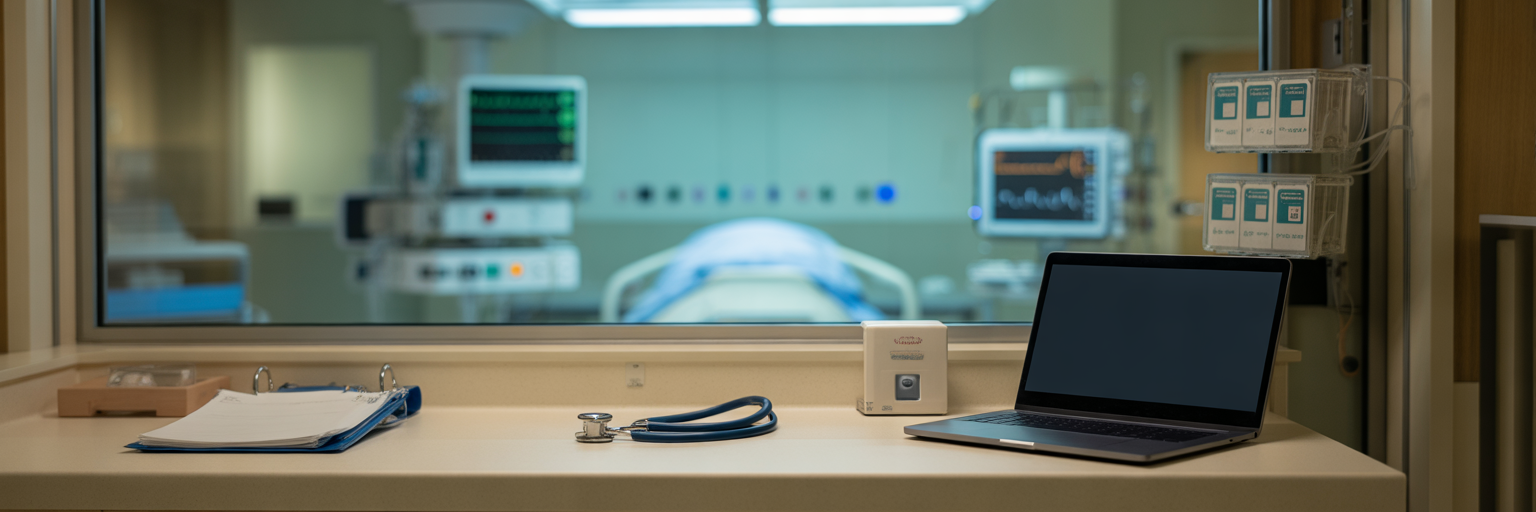
The systemic pressures on healthcare systems converge most intensely within critical care units. The demand for ICU nurses is not just high; it is specific. Facilities are seeking professionals who can manage patients with multi-system organ failure and operate advanced life-support technologies. This is where the general need for staff transforms into a targeted search for experts, creating some of the most consistent high demand travel nurse jobs in the market.
The Spectrum of Intensive Care: MICU, SICU, and CVICU
Not all ICU assignments are the same. The most sought-after roles are often in specialized units. The Medical ICU (MICU) is the domain of complex internal medicine, managing conditions like sepsis and acute respiratory distress syndrome (ARDS). The Surgical ICU (SICU) focuses on the critical post-operative period for patients recovering from major trauma, neurosurgery, or complex abdominal procedures. Finally, the Cardiovascular ICU (CVICU) is a highly specialized environment dedicated to patients post-cardiac surgery or those experiencing acute cardiac events, requiring mastery of technologies like ECMO and ventricular assist devices.
Essential Skills and Certifications for ICU Travelers
To secure premier assignments, meeting the baseline ICU travel nurse requirements is just the starting point. Facilities prioritize candidates with advanced certifications that validate their expertise. The CCRN (Critical Care Registered Nurse) certification is the gold standard, signaling a deep knowledge of critical care principles. For CVICU roles, a sub-specialty certification like the CCRN-CMC (Cardiac Medicine) provides a significant advantage. Experience with specific equipment, from CRRT machines to Impella devices, is also a key differentiator. This level of professional readiness extends to your appearance; having functional, high-quality medical apparel, like those available in our online shop, is part of presenting as a top-tier candidate. Adjacent specialties, like the Progressive Care Unit (PCU), also offer robust opportunities for nurses with strong telemetry and monitoring skills.
| ICU Specialty | Primary Patient Population | Key Skills & Technologies | Common Certifications |
|---|---|---|---|
| Medical ICU (MICU) | Complex medical conditions (e.g., sepsis, ARDS, multi-organ failure) | Ventilator management, CRRT, advanced hemodynamic monitoring, complex medication titration | CCRN |
| Surgical ICU (SICU) | Post-operative patients from major surgeries (e.g., trauma, neuro, abdominal) | Post-op recovery protocols, surgical drain management, pain management, wound care | CCRN, TCRN (Trauma) |
| Cardiovascular ICU (CVICU) | Post-cardiac surgery patients (e.g., CABG, valve replacements), acute cardiac events | ECMO, IABP, Impella/LVAD management, temporary pacemakers, cardiac-specific medication drips | CCRN-CMC (Cardiac Medicine) |
| Progressive Care Unit (PCU) | Stable but require continuous monitoring; step-down from ICU | Telemetry interpretation, managing stable vasoactive drips, post-procedural monitoring | PCCN |
This table outlines the distinct patient populations and technical skills associated with different critical care units. This data helps professionals identify which specialty aligns best with their existing experience and career development goals.
Emergency and Rapid Response Specialties
While the ICU is defined by structured intensity, the Emergency Room (ER) thrives on controlled chaos. The ER serves as the hospital's front door, creating a relentless and unpredictable flow of patients with needs spanning the entire spectrum of acuity. This environment generates a constant demand for ER travel nurse jobs, as facilities require adaptable professionals who can handle high volume and high stress without faltering. An experienced ER traveler is valued for their ability to acclimate instantly and begin contributing from the first minute of their shift.
The skill set for an ER professional is unique, centered on rapid triage, stabilization, and critical decision-making under immense pressure. It is a specialty that rewards clinicians who can quickly assess a situation, initiate life-saving interventions, and coordinate care for multiple patients simultaneously. To stand out, certain certifications are highly influential:
- CEN (Certified Emergency Nurse): The premier certification for emergency nursing.
- TNCC (Trauma Nursing Core Course): Essential for facilities with a high volume of trauma cases.
- ENPC (Emergency Nursing Pediatric Course): A key credential for managing pediatric emergencies.
- ACLS/PALS/BLS: Foundational, non-negotiable life support certifications.
A growing niche for professionals with a strong ER or ICU background is the Rapid Response Team (RRT). These nurses respond to deteriorating patients on non-critical care floors, acting as a proactive force to prevent codes and ICU transfers. Professionals with these skills can find numerous opportunities, and we invite you to explore the current healthcare jobs we have available.
The Growing Importance of Specialized Allied Health Travelers

Effective patient care is a team endeavor, and the demand for specialized travel professionals extends well beyond nursing. Allied health specialists are the backbone of modern diagnostics and treatment, and facilities increasingly rely on travelers to fill these critical roles. The market for travel allied health opportunities is robust, driven by the same forces of patient acuity and technological advancement that affect nursing. Supporting this diverse workforce is central to modern staffing, which is why our services extend across a wide spectrum of clinical roles.
Respiratory Therapists: The Airway Experts
The importance of Respiratory Therapists (RTs) was highlighted during the pandemic, and their value remains paramount. As experts in ventilator management, airway clearance, and pulmonary function, RTs are indispensable in critical care settings. The aging population and the prevalence of chronic respiratory diseases like COPD ensure a sustained demand for their specialized skills.
Surgical Technologists: The Foundation of the OR
As hospitals work to clear surgical backlogs and the volume of elective procedures rises, the demand for skilled Surgical Technologists has intensified. These professionals are the bedrock of the operating room, ensuring that every procedure is safe, sterile, and efficient. A knowledgeable Surgical Technologist can significantly improve OR turnover times and surgeon efficiency, making them a highly valuable asset.
Diagnostic Specialists: Cath Lab and Medical Lab Techs
Accurate and timely diagnostics are the foundation of effective treatment. Cath Lab Technologists are crucial for performing life-saving cardiac interventions, while Medical Laboratory Scientists are the unseen experts whose work informs countless clinical decisions. A shortage in either of these areas creates significant bottlenecks in patient care, making experienced travelers in these fields highly sought after.
Positioning Yourself for Premier Travel Assignments
Securing the most rewarding travel assignments requires more than just clinical competence; it demands strategic career management. The most successful travelers are those who proactively build a profile that aligns with what top-tier facilities are seeking. Here is a clear path to positioning yourself as a premier candidate:
- Pursue Advanced Certifications. For high-acuity specialties, certifications like the CCRN or CEN are no longer optional; they are the standard. They are the clearest signal of your expertise and commitment to your specialty.
- Build a Diverse Clinical Portfolio. Seek experience in different types of facilities, such as a Level I Trauma Center versus a smaller community hospital. Likewise, familiarity with multiple EMR systems like Epic and Cerner makes you a more versatile and attractive candidate. Building a compelling professional profile is key, and we offer resources on CV writing and job interview preparation to help you stand out.
- Cultivate Professional Agility. Top travelers are known for their soft skills. The ability to integrate seamlessly with a new team, communicate clearly under pressure, and demonstrate resilience in challenging environments is just as important as your clinical skills.
- Evaluate Opportunities Strategically. Look beyond the pay rate. Consider the facility's reputation, the potential for learning new skills, and the location. Most importantly, the support from your agency is a critical factor. Understanding why you should work with us can highlight the benefits of a true partnership in your career journey.